The September Flight Log brings together some of the most interesting developments in the drone industry, carefully selected by the Coverdrone team. This includes life-saving emergency service operations and humanitarian aid missions, as well as advances in drone delivery, agriculture, critical infrastructure, and future air mobility, with the latest stories in these fields compiled by us.
If you have any insights into any of these stories, we would love to hear your thoughts; let us know on LinkedIn, Facebook or Instagram.
Drones as First Responders Continue to Gain Momentum
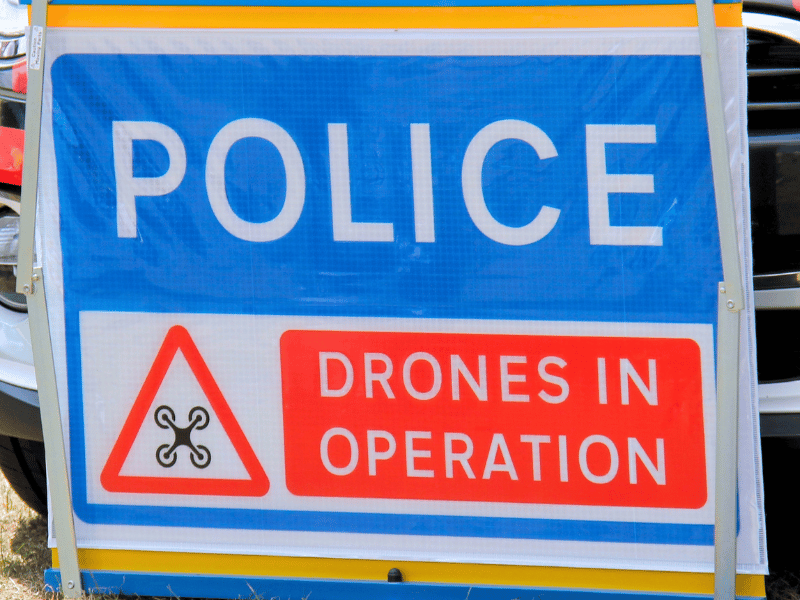
In the UK, emergency services continue investigating the advantages of using Drones as First Responders (DFR), and technology known as drone-in-a-box is helping crews obtain vital aerial information before they arrive on scene. In a recent interview with DJI Enterprise, the company explains that integrating drone operations is enhancing situational awareness, enabling quicker decision-making, and helping responders assess incidents more effectively.
This investment highlights the growing role drones can play in fields such as policing, wildfire response, and interagency cooperation. As DFR programmes become more established, providing commanders and front-line teams with real-time aerial data has proven a valuable resource for improving operational efficiency and public safety.
- Read the full article at the Emergency Services Times: Drones as first responders improving situational awareness one flight at a time

London Ambulance Service Deploys Underwater Drones
The London Ambulance Service has become the first ambulance service in the UK to use underwater drones, investing in four remotely operated systems to assist with water rescue operations. Because they are fitted with sonar technology, the drones can find submerged casualties within two minutes, helping responders reach people faster while reducing the dangers of entering hazardous water environments.
The service’s Hazardous Area Response Team (HART) operates the drones, which can send back real-time underwater footage and help bring injured people to the surface. This investment shows that specialised drone technology is extending beyond its usual use in the air, giving emergency services innovative ways to improve safety, boost response, and help save lives.
- Read the full article at UKAuthority: Drones join London Ambulance Service
How Drones Are Making a Difference
A recent DroneXL article highlights the ways drones are delivering positive results for communities worldwide. Whether it’s in search and rescue operations (such as over water), medical deliveries, or firefighting support, the piece shows how drone technology is increasingly used to save lives, reduce response times, and provide vital situational awareness when it’s needed most.
- Read the full article at DroneXL: Drones for Good: How Drones Save Lives and Serve Society

Celebrating a Decade of Drone Innovation
CJK Drones is about to celebrate its tenth anniversary of supporting the inspection and maintenance of vital energy infrastructure, having carried out more than 4,500 drone flights for clients in the UK and other countries. Based in Lancashire, the company focuses on aerial inspections, thermal imaging, 3D mapping, and other sophisticated drone services designed to improve safety and efficiency in difficult environments.
The company has helped safeguard both energy networks and wildlife by using drones to attach bird flight diverters to live overhead power lines. As the utility industry increasingly adopts drone technology, companies like CJK Drones are showing how drones can reduce risks, improve data collection, and offer innovative solutions for managing vital infrastructure.
- Read the full article at Lancashire Business View: Drones specialists mark decade of supporting critical energy infrastructure
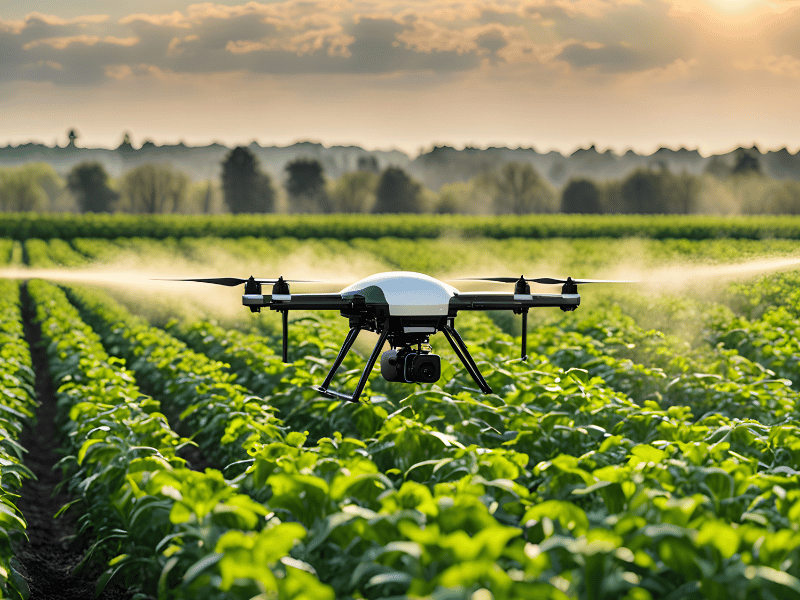
Agricultural Drone Technology Takes Centre Stage
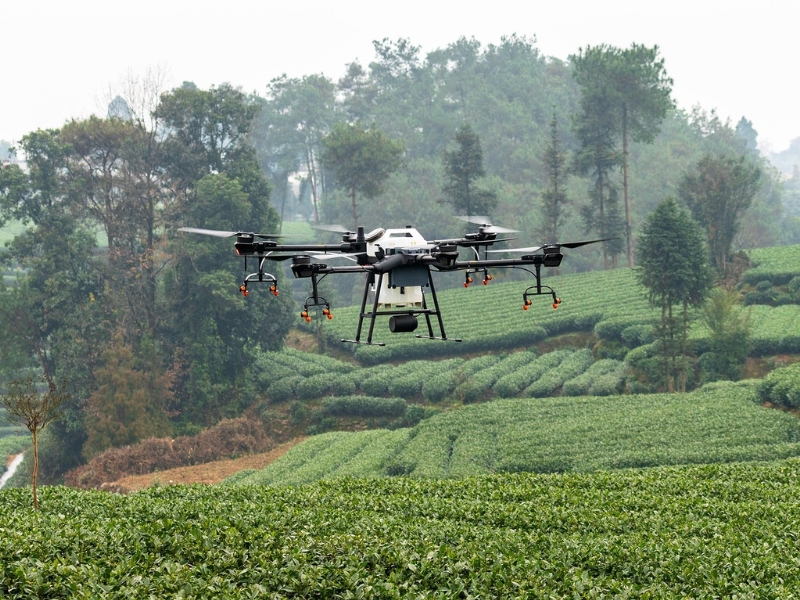
Drone use in agriculture continues to grow, and Drone as a Service (DaaS) will demonstrate its spraying and spreading capabilities at the Ireland National Ploughing Championships. The company points out that modern agricultural drones can apply fertiliser, seed, and other inputs with high precision, helping farmers improve efficiency, reduce waste, and minimise ground compaction.
Agricultural drones are now increasingly being used as a practical solution for both large-scale and difficult-to-reach farmland, thanks to GPS-guided flight paths and variable-rate application technology. As the industry moves toward precision agriculture, drone services offer farmers new ways to optimise operations, make data-driven decisions, and increase productivity.
- Read the full article at the Irish Farmers Journal: Drone as a Service brings spraying and spreading tech to the Ploughing

DHL Launches Commercial Drone Delivery Service
DHL became one of the earliest logistics companies to complete testing and introduce a commercial drone delivery service through its ‘Paketkopter’, which transports medicines and other urgently needed goods to the German island of Juist. During the one-month-long pilot project, DHL will autonomously fly orders placed at a local pharmacy from the mainland, more efficiently linking the isolated community with the essential supplies it needs.
The initiative marks a significant advance in drone delivery and shows how drones can provide practical solutions for time-sensitive deliveries to people in remote areas.
- Read the full article at Campaign: DHL makes first commercial deliveries with ‘paketkopter’ drone

Regional Airports Could Power the Future of UK Drone Operations
A report recently issued by the Good Growth Foundation indicates that the underused regional airports in the UK could play an important role in developing the next generation of drone and advanced air mobility services. With access to dedicated airspace, existing runways, and aviation facilities, these airports could serve as hubs where new technologies are tested, validated, and then put into large-scale operation.
The report states that one of the major difficulties currently facing the sector is no longer about developing the technology itself but rather about setting up the operational environments required for regular and repeated flights; it adds that, whether it comes to beyond visual line of sight (BVLOS) drone operations or to future air mobility services, regional airports could provide a practical means of speeding up innovation while making use of the existing aviation infrastructure.
- Read the full article at ADS Advance: UK regional airports could become launchpads for drones and advanced air mobility

Drones Deliver Lifeline to Flood-Hit Communities in Nepal
Following the catastrophic floods and mudslides in Nepal, drones are now being used to deliver essential supplies to isolated areas cut off by damaged roads and bridges. Although helicopters are being used for search and rescue operations, the Nepal Army has sent several humanitarian DJI FlyCart 100 drones to carry food, medicine, fuel, and other vital aid to those in need.
The drones, which can carry loads of up to 60kg, are now making between 10 and 16 deliveries each day, showing the value of drones in disaster response. This operation shows that drones offer a quick, flexible, and cost-effective solution when normal transport routes are disrupted, helping humanitarian organisations reach vulnerable communities when every minute counts.
- Read the full article at Reuters: Nepal turns to drones to deliver flood relief

2,977 Drones Light Up New York in Powerful 9/11 Tribute
The drone display held over New York Harbour, called “2,977 Lights Over New York Harbor”, used drones to reproduce the Twin Towers on a full scale, each illuminated drone standing for one of the victims of the September 11 attacks. It was a strong visual tribute and turned drone technology into a medium for remembering and reflecting.
Sky Elements created the display in cooperation with artists, producers, first responders, survivors, victims’ families, and other members of the 9/11 community; it showed the unique capacity of coordinated drone light shows to tell important stories on a large scale. Since drone technology is still developing, projects like this show how drones can serve commercial and operational needs while also creating moving public art that brings people together to commemorate important historical events.
- Watch the video at the BBC: Drone display recreates the Twin Towers over New York City

Amazon Eyes Wider Drone Delivery Rollout in UK
Amazon is now aiming to expand its UK drone delivery programme after completing more than 500 successful deliveries in Darlington. The company launched its Prime Air trial in the town at the beginning of this year and is now asking the Civil Aviation Authority (CAA) for permission to roll out the service across the town, another key stage in the development of commercial drone delivery.
Right now, eligible customers can have certain items delivered by drone in as little as two hours, with the quickest delivery on record at 39 minutes. Once approved, the expansion could offer valuable insights into how drone delivery services can operate at scale and help shape the future of last-mile logistics in the UK.
- Read the full article at the BBC: Amazon seeks to expand UK drone deliveries

How Close Are We to Mainstream Drone Delivery?
Autonomous drone delivery has long been seen as the future of logistics, but an IoT Insider article looks at why widespread adoption is still underway. Although commercial drone delivery services already operate in certain parts of the world and the UK is moving toward routine beyond visual line of sight (BVLOS) operations, regulatory, connectivity, airspace integration, and operational reliability challenges still limit large-scale deployment.
Even though the technology used by these services is advancing quickly, drone delivery, if it is to become truly widespread, will have to show that such systems can operate safely, reliably, and at scale within the current airspace. As regulatory frameworks continue to develop, the industry is working to turn drone delivery from an emerging capability into an everyday reality.
- Read the full article at IoT Insider: How close are we to autonomous drone delivery becoming mainstream?

Australia’s Emerging Low-Altitude Economy
Michael McNamara of QBE has recently carried out an analysis of the fast-growing “low-altitude economy” in Australia. This growth is driven by increased drone use and the development of electric vertical take-off and landing (eVTOL) aircraft. Today, more than 40,000 active remote pilot licences exist in the country, and drones are used for a variety of applications, including agriculture and construction, infrastructure inspection, and emergency services.
A major challenge is safely integrating drones into the current airspace. As drones become more common, the industry, regulators, and insurers must cooperate to manage changing risks, enabling innovation to grow safely while promoting economic growth and operational efficiency.
- Read the full article at Insurance News: Australia’s low-altitude economy is ready for take-off. Are we?
Drone Insurance Specialists
At Coverdrone, we specialise exclusively in drone insurance. We focus solely on supporting drone operators with their insurance needs (and you can see what our customers think of how well we do that in our reviews). If you want to cover your drone, click the button below to get a quote in minutes.