Updated: 17th June 2026
The use of drones at events in the UK is growing rapidly, with everything from drone light shows and aerial displays to live streaming and event photography transforming the industry. Whether you are planning a festival, corporate event or large public gathering, drones offer engaging, shareable experiences.
This guide explores how drones are used for events, along with key UK drone laws, insurance requirements, and compliance considerations.
Disclaimer: This guide is intended as general information to help drone operators understand the basics of drone shows, event drones and the insurance and regulatory requirements of such events. It is not legal advice – always check with the relevant authority if you’re unsure of your obligations. Insurance and legal requirements can change and may depend on a drone’s weight, category, and use. This is a general guide only and should not be relied upon as a substitute for checking local regulations.
Contents
What is a Drone Show?
A drone show (also called a drone light show or aerial light show) uses synchronised drones equipped with LED lights to create animations, patterns, and branded visuals in the sky.
Drone light shows are becoming increasingly popular in the UK, as they are seen by some people as a safer and more environmentally friendly alternative to fireworks, especially for:
- Festivals and concerts
- Corporate events and product launches
- Seasonal displays such as New Year drone shows
- Public celebrations and large-scale gatherings
A sizeable industry has grown around drone shows, with companies like Sky Magic staging notable displays at major events in the UK.
Uses of Drones at Events
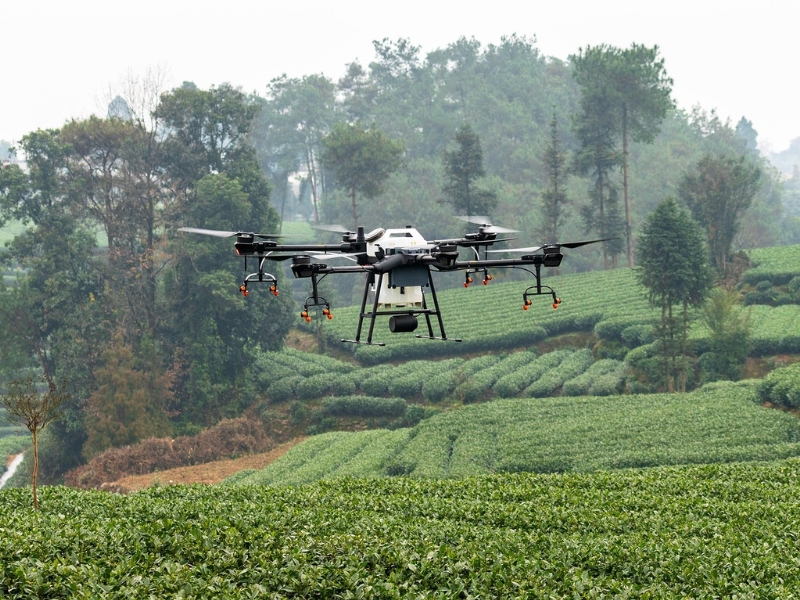
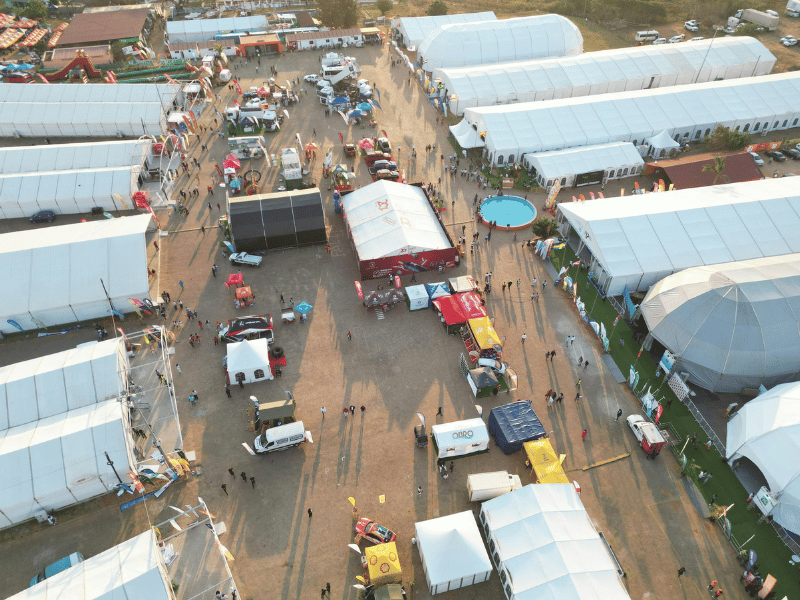
Drones have a variety of use cases at events, making them a versatile tool. They also present unique risk scenarios which may require specialist Drone Insurance.
Drone Photography for Events
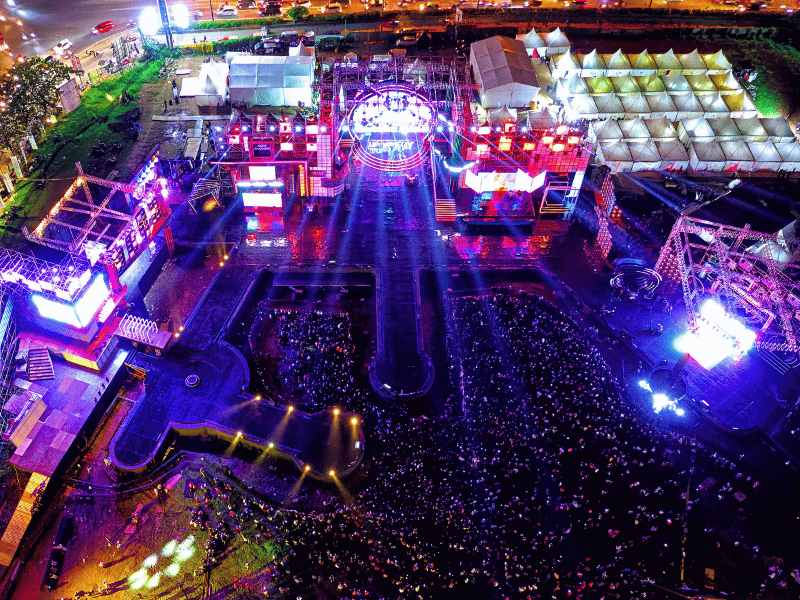
Drones are sometimes used at events to capture aerial imagery, creating impactful and engaging visuals for event marketing and social media. Drone photography can also be used to showcase venues and layouts before events, providing content for marketing materials. A bonus of this content is that it can often be reused in future campaigns, adding to its value.
For recurring events, such as annual events, drone photography helps demonstrate crowd size, atmosphere, and scale, as well as comparison photos showing how much an event has grown from year to year, or simply showing an event before crowds arrive and when they turn up. All of which may help to drive future ticket sales and engagement.
Drone Video and Aerial Filming
Due to the prevalence of smartphones and social media platforms, video consumption has never been easier. As a result, filming video has quickly become one of the most established commercial use cases for drones.
Whether filming promotional event videos, event highlight reels, or recording footage for media and broadcast coverage, drones provide a perspective on events that is often difficult, and in some cases impossible, to replicate through other means.
Drones can also support event logistics, including site mapping and 3D surveys, helping organisers improve planning and layout.
Live Streaming with Drones
Using drones for live streaming creates immersive viewing experiences that go beyond static camera setups, offering dynamic, moving perspectives and real-time audience engagement, extending reach beyond the physical event.
Live streaming can be particularly valuable for hybrid (where the event is partially in-person and virtual) and large-scale events where remote access is essential. For example, in some sporting events held over a large area, using drones to capture footage enables spectators to view key events without leaving a static viewing location.
Drone Light Shows and Displays
One of the most visually impactful uses of drones, and the one most associated with drones when they’re discussed in relation to events, is the drone light show.
LED drone light shows, typically synchronised to music, are among the most popular formats of drone light shows, with shows often taking the following format:
- Light shows at entertainment and public events
- Displays for marketing campaigns
- Alternatives to firework displays
These shows generate significant social media exposure as attendees often share videos and images online, which typically generate engagement due to the visually striking nature of the footage.
UK Drone Regulations for Events
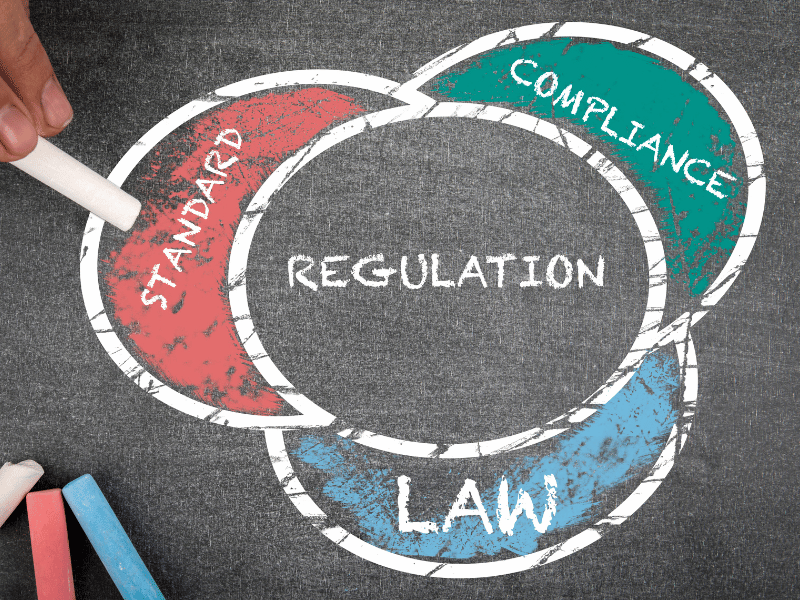
In the UK, drone use is regulated by the Civil Aviation Authority (CAA). All drone operators must comply with the Drone and Model Aircraft Code, and event organisers may also need to consider additional regulations, risk assessments and insurance requirements when organising a drone show.
In most cases, regulatory approvals and operational permissions sit with the drone operator, although event organisers retain responsibility for overall site safety and due diligence.
Registration and IDs
In the UK, you must meet the following CAA registration and ID requirements when operating a drone:
- Obtain a valid Flyer ID (pilot competency) when operating most drones over 100g.
- Display an Operator ID on your drones if they have cameras or weigh over 100g.
- Display a Class Mark on your drones if you purchased them on or after 1st January 2026.
These requirements apply to anyone operating a drone, so it’s important to remember that they apply to you if you plan to put on a drone show, too.
Flight Restrictions
As per the Drone and Model Aircraft Code, you must adhere to the following restrictions:
- Do not exceed a maximum altitude of 120 metres (400 ft)
- Always maintain a Visual Line of Sight (VLOS) unless you have specific permissions to conduct Beyond Visual Line of Sight (BVLOS) operations
- Do not operate your drone over crowds or densely populated areas unless you have specific permissions
- Avoid restricted airspace and airport zones
If ever you have any questions or concerns about drone regulations, it’s important to check with the CAA and any other relevant aviation authorities. Remember that as a drone operator, it’s your responsibility to conduct compliant drone operations.
Operating Categories
In the UK, drone operations fall into three categories:
- Open Category – Suited to Low-risk flying, includes three sub-categories:
- Over People (A1)
- Near People (A2)
- Far from People (A3)
- Specific Category – Suited to moderate-risk flying and required for complex activities and any commercial drone use (such as drone displays and light shows)
- Certified Category – Suited to high-risk and more complex flying
Drone shows and aerial displays may fall within the Specific Category (and, in some cases, the Certified Category), requiring an approved operational authorisation based on either a Pre-Defined Risk Assessment (PDRA) or a UK-Specific Operations Risk Assessment (UK SORA).
Please be aware that it is your responsibility as a drone operator to ensure that your operation is legal and compliant and that you operate your drone within the appropriate category and with the appropriate authorisation. If you are unsure of your obligations, please contact the relevant aviation authority in the jurisdiction where you will operate your drone(s).
Night Flying
Unsurprisingly, many drone shows take place at night, utilising low-light conditions to put on spectacular displays. Equally, many events take place at night, and the drone may be used as a camera.
Night flying and operations are permitted in the UK (provided all other regulatory requirements are met), but while in flight at night, under the Open Category, drones must display a flashing green light for visibility.
For drones being used in shows, all involved in a drone show, from an operational, security, or attendee point of view, will understand that the objects in flight are drones, and since they are subject to an OSC (Operating Safety Case) or SORA (Specific Operations Risk Assessment), the CAA is able to exclude the drones used for swarms from the usual green flashing light requirement.
It’s important to note that when individual drones are tested at night with no NOTAM (Notice to Aviation) in place, there’s an expectation that the operator will still display a green flashing light on the drone, even if the drone will be used in a drone show.
Additional Requirements for Events
Planning and safety are crucial for organised events utilising drone displays. Whether you’re putting on a large-scale drone display or using a single drone to capture footage, you must ensure that you adhere to the relevant aviation regulations, receive the appropriate permissions and have adequate insurance to cover your event.
From crowd safety planning to obtaining the appropriate airspace permissions and adhering to any temporary restrictions that may apply, you need to plan to ensure you have everything covered, from both operational and safety perspectives, when introducing drones into an event.
Insurance Considerations for Drone Shows
The following section explains typical insurance considerations for drone shows and aerial displays and includes information about specialist insurance solutions available from Coverdrone.
Drone Show Insurance
For event organisers, it is critical to ensure that any operator has experience in delivering drone light displays or aerial shows and holds the applicable authorisation from the relevant aviation authority to conduct such events. In addition, they must have a valid Commercial Drone Insurance policy.
In many cases, liability insurance is legally required for commercial drone operations at events under UK and retained EU aviation regulations, depending on the aircraft, operation type and risk profile.
Drone Insurance can help protect commercial drone operators and event organisers against certain insured risks, subject to policy terms, conditions and exclusions. Subsequently, a suitable drone event insurance policy may cover:
- Injury to spectators or staff
- Property damage
- Equipment loss or damage
- Legal and liability claims
At Coverdrone, we offer policies designed for commercial drone operators, including those involved in drone shows and aerial displays, which help to manage risk while operating safely and lawfully, subject to policy terms.
Hiring Drones for a Show
If you are planning a drone show or light drone display, it’s important to follow best practices, including working with an appropriately authorised drone operator and either confirming that they have insurance or exploring options before making a booking.
Consider applying for the required permissions for your drone show well in advance, and you may want to work with the professionals involved to ensure a full risk assessment and site survey are completed.
Ultimately, when hiring drones for a show in the UK or anywhere else, it’s vital to ensure compliance with airspace and safety rules, including obtaining the appropriate insurance for your event and ensuring the operators are adequately insured.
Get a Drone Insurance Quote
If you are organising an event or operating a drone show, finding the appropriate cover is essential. At Coverdrone, we offer specialist Drone Insurance and have clients who specialise in drone shows and light displays, giving us the experience and knowledge to support your business.
Important: Regulations Outside the UK
Please note that this guide focuses on UK CAA regulations; drone laws may vary in other regions, with different countries having their own licensing frameworks, airspace rules and insurance requirements.
If you plan to operate your drone internationally, always check the local aviation authority guidelines for the country where you will be operating before starting operations.