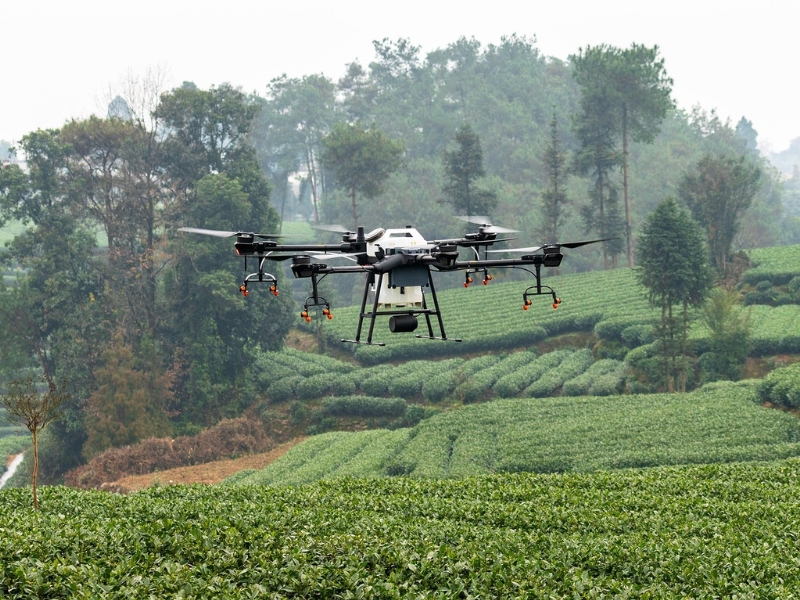
Whatever you operate your drone for, you’ll know that among the things you need to consider before and during a flight, some risks can be easier to manage than others. In addition to avoiding buildings, trees and power lines, you also need to consider a more unpredictable hazard: the local wildlife.
In our ‘Top 10 Reasons for Drone Insurance Claims in 2025‘, we reported that bird-related incidents are among the top causes of Drone Insurance claims, ranking at position No. 5. In this guide, we’ll explore what a bird strike is, why it happens, and how you can avoid one and protect your equipment with seven practical tips.
What is a Bird Strike?
Simply put, a bird strike is a physical collision between an aircraft and a bird. You’ll typically hear about bird strikes in relation to commercial aeroplanes; drones are still susceptible to them, and while drones are much smaller than commercial aeroplanes, the impact can be devastating, both for you and the bird.
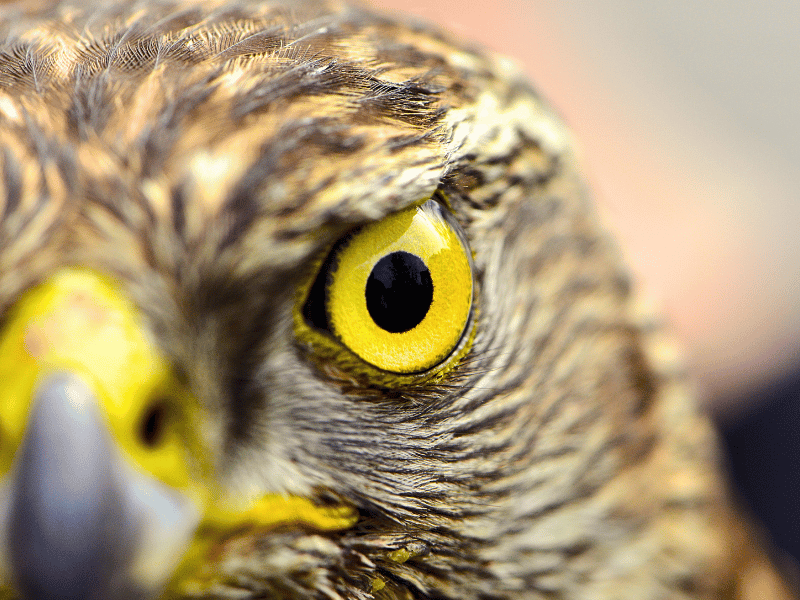
A bird strike may occur because a bird perceives your drone as a threat (defending its territory), a source of prey, or simply because it cannot get out of the way in time. Based on reports our customers make to us, we find that these incidents can result in broken propellers and damage to propeller arms, with additional damage caused by the drone falling from the sky after the collision. In some cases, drones can become very difficult or impossible to recover after a bird strike if they crash into bodies of water or other inaccessible locations.
How to Avoid a Bird Strike
A bird strike is something no drone operator wants to experience. In some instances, a bird strike is unavoidable and having Drone Insurance that covers damage to your equipment, including bird strikes, will protect your investment. Thankfully, there are steps you can take to reduce the risk of a bird strike.
1. Choose Your Flight Location Wisely
Reducing the risk of bird strikes can start before you even insert your drone’s battery. Try to avoid areas where birds naturally congregate, such as nature reserves, wetlands, coastal cliffs and bird sanctuaries. If you need to fly in these areas, scout the location first to identify nesting sites or high-activity zones. You may be able to complete whatever job you’re trying to carry out without getting too close to any birds, reducing your risk of an incident.
2. Be Strategic About Your Flight Time
Most birds are more active in the early morning and late afternoon, often when they hunt for food. To minimise the risk of a bird strike, try to schedule your flights during the middle of the day, when bird activity is generally lower.
3. Maintain Visual Line of Sight
While an increasing number of drone operators are conducting Beyond Visual Line of Sight (BVLOS) flights, keeping your drone within your Visual Line of Sight (VLOS) remains a legal requirement and a safety essential in many regions. Either way, by maintaining visual awareness of your drone and its surroundings, you put yourself in a better position to spot approaching birds faster than you would from a camera feed alone, giving you more time to react.
4. Stay Alert and Be Proactive
Always be aware of your surroundings. If you notice birds circling or behaving aggressively, don’t wait for a collision. Consider diverting your flight path immediately, or perform a safe, controlled landing and wait for the birds to clear the area.
5. Fly at a Safe Altitude
Some bird species will only fly at certain altitudes. While there is advice out there suggesting you should fly at higher altitudes that birds rarely fly at, you mustn’t exceed drone altitude limits, including the 400 feet/120 meters detailed in the Drone Code.
6. Leverage Technology and Updates
Modern drones often feature advanced obstacle avoidance systems. While these are typically designed for static objects, they can sometimes detect larger birds. You should always ensure your drone’s firmware is up to date, as this will ensure the most recent safety features are installed.
7. Be Extra Cautious During Migration Season
The volume of birds in the sky increases substantially during migration seasons. During these periods, birds may be found at unusual altitudes, in much larger flocks, or both. Take extra care during these months and use flight-planning apps to check for local wildlife advisories.
What to Do if a Bird Attacks Your Drone
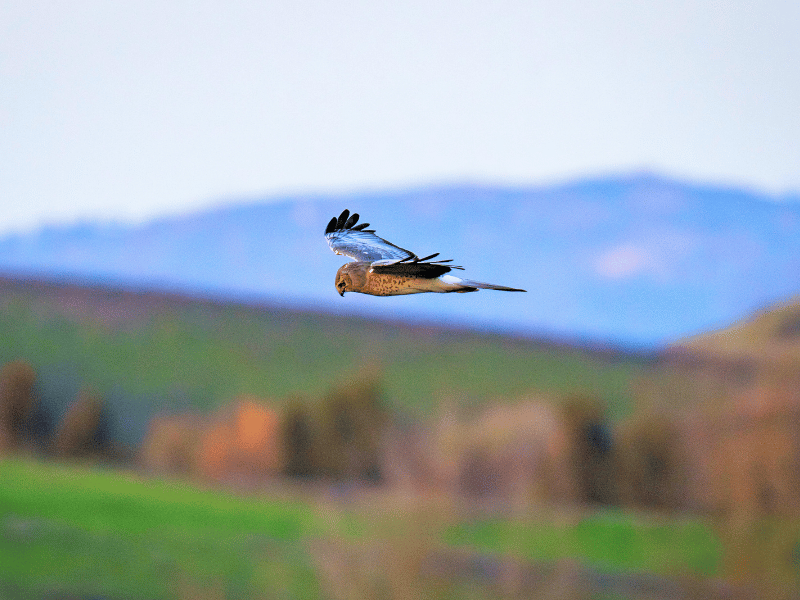
If you find your drone in a confrontation with a bird, there’s no definitive way to get out of the situation. Some anecdotal reports suggest you should climb rather than dive, with others suggesting that birds of prey have evolved to dive onto their prey from above, and you can confuse them by rapidly ascending. However, neither of these is guaranteed to work.
In the event of an attack, the most important thing to do is, if possible, to try to calmly and safely land your drone to avoid the risk of any further damage or injury to anyone or anything involved.
Once your drone is on the ground, it’s important not to operate it again until it is safe to do so. This is important regardless of its condition. You may have completely avoided a bird strike, but birds may be agitated nearby, and you could be at risk of another incident. If a bird has made contact with your drone, it may be damaged and unsafe to operate. Thoroughly assess your equipment, or have a specialist assess it, to ensure it’s safe to use before operating it again.
By following these tips and the seven above, you are better positioned to protect local wildlife and keep your drone flying safely.
Bird Strike FAQs
The following are quick answers to frequently asked questions to help you better understand and reduce your chances of a bird strike scenario when operating your drone.
What damage can a bird strike cause to my drone?
A bird strike can result in anything from minor scuffs to significant structural damage, with the extent of the damage often depending on the drone’s altitude at the time of the strike. This is because most damage from a bird strike is caused by the drone falling from the sky, rather than by the initial contact with a bird.
In the reports we receive, we often find that these incidents result in broken propellers and damage to propeller arms.
Does drone insurance cover bird strikes?
If you choose to insure your drone equipment with a specialist insurance provider like Coverdrone, bird strikes are covered under our policies, whether you’re a Recreational or Commercial drone operator.
How likely is it for a drone to be hit by a bird?
While bird strikes aren’t extremely common (in our ‘Top 10 Reasons for Drone Insurance Claims in 2025’ article, they ranked as the No. 5 most common reason), they do happen, especially in areas where birds nest, feed, or protect territory. Awareness of surroundings and avoidance of known wildlife zones significantly reduces the likelihood.
Are some bird species more aggressive toward drones?
Yes. Birds of prey (like hawks and eagles), gulls, crows, magpies, and some territorial seabirds (like seagulls) are more likely to approach or attack drones. Essentially, any bird species that views drones as threats or intruders could become aggressive toward them.
How can I tell if a bird is becoming territorial or aggressive?
Warning signs include birds circling your drone, loud or more alarming bird calls, sudden changes in flight direction, or direct swooping behaviour. If you see these signs, it’s best to land your drone calmly and resume operations in a different area or at a different time of day, if possible.
Does drone colour, size, or noise level influence bird behaviour?
In many cases, yes. Larger or noisier drones can appear more threatening, while certain colours may stand out more to birds. However, behaviour varies by species, and factors like proximity to nests often matter more than colour, size and noise.
What should I do after a bird strike happens?
Land your drone safely as soon as possible, then inspect it thoroughly for cracks, loose components, or motor issues. Document the damage with photos, and if you’re insured, report the incident to your insurer promptly so they can guide you through the claims process.
Protect Your Drone Against Bird Strikes and More
Unfortunately, a bird strike can cause irreparable damage to your drone. To help protect your drone equipment from bird strikes and other unexpected incidents that could put your high-value equipment at risk, consider cover from an insurance provider that specialises in what you do. As a specialist drone insurance provider, we offer policies you can tailor to meet your needs because we understand what drone operators need.